
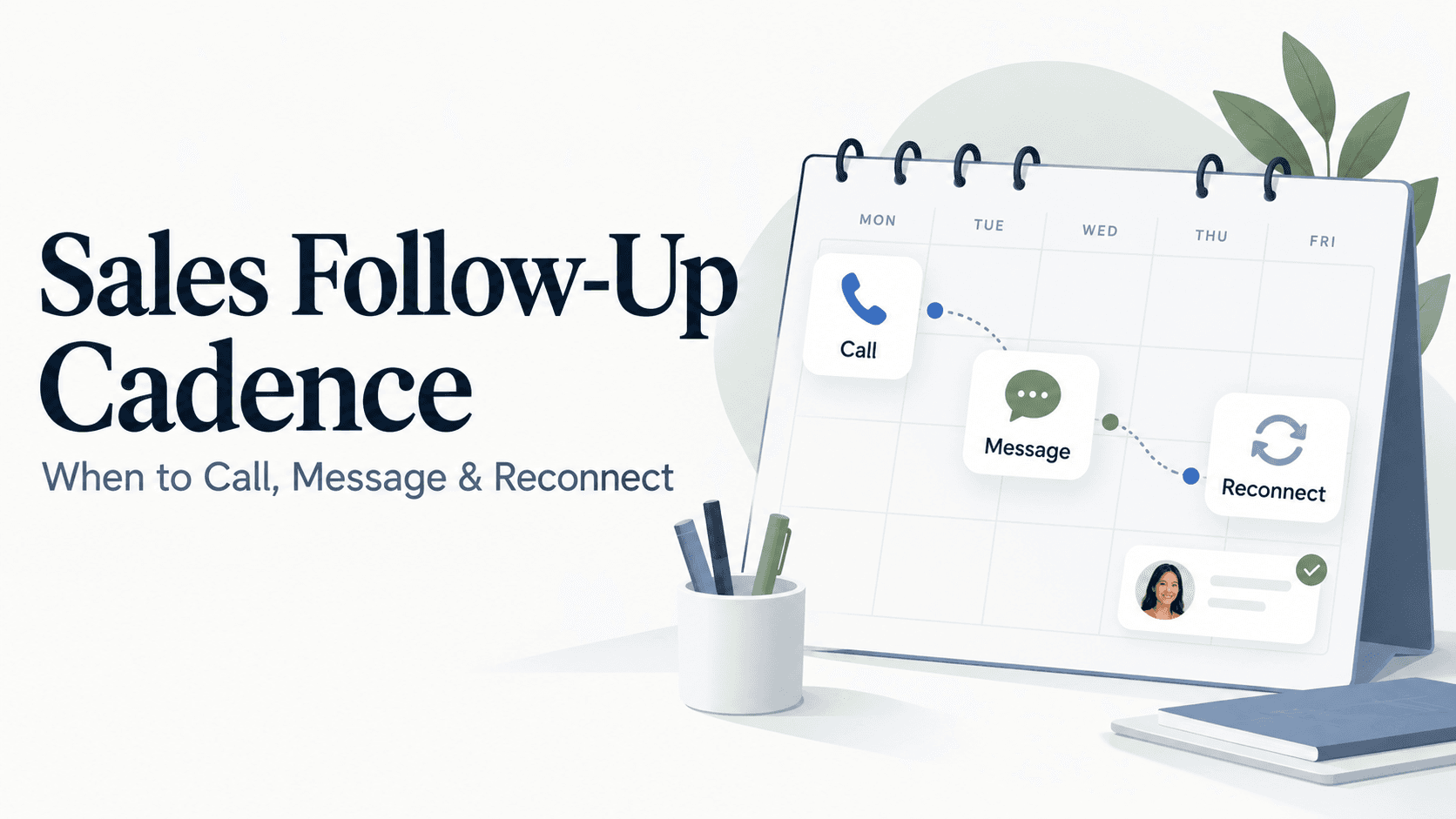
In the fast-paced world of small and medium businesses in India, timely follow-up can be the difference between a stalled lead and a closed deal. A well-designed cadence helps sales teams know when to pick up the phone, send a message, or pause and reconnect later. With Triostack CRM, you can tie every touch to data—lead score, intent, and the last interaction—so your team acts at the right moment, every time. This article walks you through a practical follow-up cadence and shows how to implement it using common features like the shared WhatsApp inbox, templates, automation triggers, and AI-supported insights.
Why a Structured Follow-Up Cadence Helps Indian SMBs
Small businesses often juggle multiple roles in a single day. A structured cadence removes guesswork: it standardizes the timing and content of each touch, so no lead feels neglected. When you combine rapid response with consistent messaging, you build trust and improve the odds of conversion. Triostack CRM enables this rhythm through a shared WhatsApp inbox, response templates, and automation that keeps your team aligned even when several reps are available across locations.
Key benefits include faster initial contact, better utilization of multi-channel outreach, and data-backed decisions about when to escalate or re-engage. For teams working with Hindi, Hinglish, or English conversations, features like AI call transcription help capture important cues from calls, which informs your next message or call.
Designing a Practical Follow-Up Cadence
Think of your cadence as a simple, repeatable pattern that covers the most likely paths a lead takes after first contact. Below is a pragmatic framework tuned for Indian SMBs. It focuses on three channels—phone, WhatsApp messages, and in-person or virtual follow-ups when needed.
First 24–48 hours: rapid reach and value
- Day 0 (immediately): Call the lead if contact details are available. If the call isn’t answered, leave a succinct voicemail and trigger a WhatsApp message with a concise value proposition using a template.
- Day 0–1: Send a WhatsApp message that reiterates the value, asks a single, clear question, and offers a next step (e.g., a quick demo or a custom quote).
- Day 1: If there is engagement, log notes and adjust the lead score. If not, schedule a follow-up SMS or WhatsApp check-in and consider a drip flow with relevant content.
Mid-cycle: nurture without nagging
- Day 3–5: Send a value-focused message that ties to a common pain point for the industry segment (pricing, deployment time, support). Use a template that’s tailored for the client’s sector.
- Day 5–7: If the lead has shown interest (clicked a link, opened a message, or watched a demo), escalate with a more direct call. If not, move into a light nurture sequence that shares case studies or a short demo video.
Re-engagement after silence: when to circle back
- Two weeks of inactivity: Send a re-engagement message offering a fresh angle—new features, a seasonal offer, or a custom ROI calculation. Consider pausing if the lead scores low and shifting to a long-term nurture track.
- Three to four weeks: A final outreach attempt using a different channel or a different value hook. If no response, move the lead to a long-term nurture bucket.
Practical steps to implement Cadence with Triostack CRM
Use these steps to set up a repeatable cadence that your sales team can follow, with Triostack CRM facilitating the process behind the scenes.
1) Centralize outreach on a shared WhatsApp inbox
- Keep all conversations in one place so any team member can jump in if the primary rep is unavailable.
- Use templates for quick wins: initial intro, follow-up, value proposition, and post-demo summaries.
- Attach context to each contact—lead score, intent, and last interaction—so the next touch aligns with where the lead stands.
2) Leverage templates and flows for consistency
- Build templates for different stages: initial outreach, 24-hour follow-up, value-driven next steps, and re-engagement messages in Hindi, Hinglish, and English as appropriate.
- Configure flows that trigger after key events: lead creation, a call logged, or a message opened. Flows can assign owners automatically to ensure timely follow-ups.
3) Use automation triggers to stay on schedule
- Automatic reminders can prompt the next touch point if no response arrives within the expected window.
- When a lead shows intent (e.g., requests a demo, visits pricing), trigger a higher-priority follow-up path and potentially faster contact.
4) Score leads and assign automatically
- Lead intent analysis helps you identify which prospects are closer to conversion. Let Triostack assign high-potential leads to senior reps and auto-nurture others with scheduled messages.
- Use lead scoring to decide whether to place a call immediately or continue with a messaging cadence.
5) Track conversations and outcomes
- Call logs and call recordings on compatible Android devices let you review conversations for training and compliance.
- AI call transcription supports multilingual notes (Hindi, Hinglish, English), helping teams capture actionable follow-up ideas and next steps.
Concrete Cadence Scenarios: How it plays out
Here are a few hypothetical sequences that illustrate how the cadence might unfold in real life.
- Inbound inquiry via WhatsApp: Lead expresses interest in a product. Within 2 hours, a rep calls, leaves a light voice message, and sends a WhatsApp note with a link to a short demo. If no answer, the next day a follow-up message emphasizes a tailored use case and a convenient time for a quick call.
- Cold outreach to a new lead: After the initial message, the lead score is set to medium. Over the next 3 days, send two value-focused messages and one invitation to a live demo. If the lead responds with questions, escalate to a call with the rep who manages similar accounts.
- Post-demo follow-up: If a demo is completed, log notes with key questions. The next touch is a direct call to discuss pricing and implementation timelines within 48 hours. If no reply, persist with a 7- to 10-day nurture sequence focusing on ROI and onboarding steps.
Practical tips for a respectful, effective cadence
- Personalize touches based on lead data: industry, job role, and recent interactions influence the content and tone of both calls and messages.
- Keep messages concise. A single, clear question increases the chance of a response in less time.
- Acknowledge time zones and business hours, especially for Indian SMBs with regional teams.
- Respect preferences: if a lead prefers WhatsApp only, adapt the cadence to that channel while ensuring timely engagement.
Frequently Asked Questions
How quickly should I reply after a lead shows initial interest?
In many cases, a quick initial call within a few hours plus a WhatsApp message can set the right tone. If you cannot connect immediately, aim to reach out again within 24 hours while continuing a helpful, value-driven message sequence.
What if there is no response after several touches?
Evaluate the lead score and intent. If interest appears to wane, shift to a lighter nurture path with periodic value-focused content. Consider a re-engagement message after two weeks, but avoid pressuring the lead.
How many touches are appropriate in a cadence?
A practical cadence often includes 5–7 touches across a 2–3 week window, with a mix of calls and messages. The exact number should be guided by lead score, engagement, and the industry you serve.
Can I measure the effectiveness of my cadence?
Yes. Track response rates, time-to-first-contact, conversion rate from touch to demo, and eventual deal closure. Triostack CRM’s analytics and lead scoring help you see which steps move the needle and where to optimize.
With a thoughtful follow-up cadence and the right tools, you can maintain momentum without overwhelming prospects. The goal is to be helpful, timely, and relevant at every touchpoint.
Want to optimize your sales follow-up cadence with Triostack CRM? Contact us to learn how to set up your templates, flows, and automation tailored for your team.